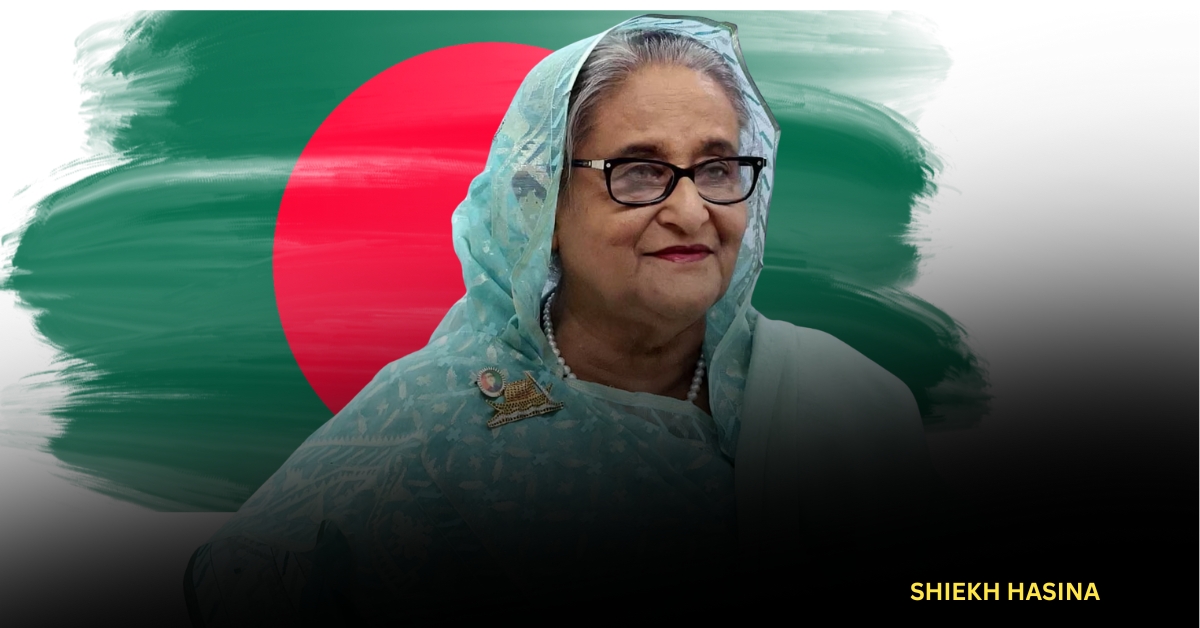
The political landscape of Bangladesh is witnessing an unprecedented event. In 2025, the country is in turmoil following the verdict of former Prime Minister Sheikh Hasina. Questions regarding the transparency of the tribunal, the role of the interim government, and the future of the nation are creating deep apprehension among the public.
Main Report: Fresh Debate Over Sheikh Hasina’s Trial
The most discussed topic in Bangladesh’s political arena in recent times is the verdict of the trial of former Prime Minister Sheikh Hasina. A case was conducted and a verdict announced against Sheikh Hasina in a controversial International Crimes Tribunal, which many believe is under the influence of fundamentalist factions. Widespread discussion and debate have erupted across the country centering on this verdict.
The Fall of 2024
On August 5, 2024, in the face of a massive student-people movement, the then-government structure collapsed, and Sheikh Hasina was forced to leave the country. Immediately after, an Interim Government took charge, facing various challenges from the very beginning.
Challenges of the Interim Government
Many argue that the continuous failure of the interim government and the lack of order across the country have made the situation even more complex. Administrative weaknesses in state management and the slow pace of law and order control have given rise to frustration among the general public
Mixed Reactions and Expert Analysis
Mixed reactions are being observed in the public mind centering on Sheikh Hasina’s trial and verdict. Political analysts say that this trial process, the transparency of the tribunal, and the currently established administrative structure—everything is now facing questions both nationally and internationally.
Experts believe that debate is increasing anew regarding the country’s internal stability, political future, and the standards of justice.
Political and Social Impact
The verdict and the subsequent situation are raising various equations regarding their impact on the country’s socio-economic structure:
- The Question of Justice: The nation is divided on whether the trial process was politically motivated or if true justice has been established.
- Security and Stability: There are fears regarding whether the law and order situation will deteriorate further in the post-verdict period.
- International Relations: The verdict from this controversial tribunal may create strain in Bangladesh’s diplomatic relations with the outside world.
Bangladesh at a Critical Crossroads
The verdict delivered by the International Crimes Tribunal on November 17, 2025, marks a definitive turning point in the history of Bangladesh. The death sentences handed down to former Prime Minister Sheikh Hasina and her former Home Minister Asaduzzaman Khan Kamal have brought a sense of closure to the families of the victims of the July-August uprising, yet they have simultaneously drawn a deep line of division within the country’s political landscape.
Executing this verdict now stands as the most significant challenge for the Interim Government. Specifically, the potential legal and diplomatic standoff regarding the extradition of Sheikh Hasina from India threatens to place bilateral relations under severe strain. Concerns raised by international human rights organizations, coupled with accusations of “political vendetta” from the opposition, could further muddy the waters.
Ultimately, this verdict is not merely a judicial decision but a stern test for the future of democracy and the rule of law in Bangladesh. The true success of the August 5 uprising now depends entirely on how the current administration navigates internal stability and international pressure in the days to come. The nation stands at a precipice where a single misstep could push the country toward long-term conflict.
