Introduction: The Poem in White Stone That Lives On
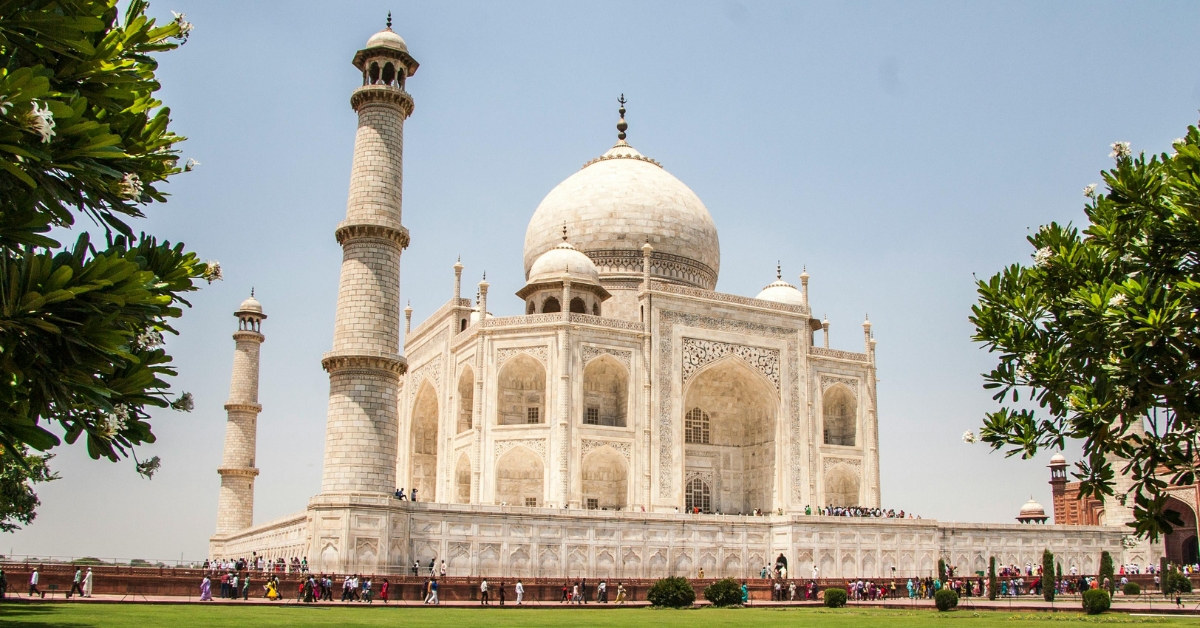
Standing on the banks of the Yamuna River in Agra, Uttar Pradesh, India, is one of the world’s greatest architectural masterpieces and a symbol of love—the India’s Taj Mahal. It is not merely one of the Seven Wonders of the World; it is the eternal document of the undying love of Mughal Emperor Shah Jahan for his beloved wife, Mumtaz Mahal. Every day, thousands of tourists flock from far and wide to witness this white marble saga of affection.
Let’s delve into the history, construction style, and crucial information for visiting this magnificent example of Mughal architecture.
Taj Mahal History: The Vow of Love That Shines Through Ages
The construction of the India’s Taj Mahal began in 1632 AD. The story behind it is deeply moving. When Emperor Shah Jahan’s beloved wife, Arjumand Banu Begum (Mumtaz Mahal), died while giving birth to their 14th child, the sorrow-stricken Emperor vowed to build this grand mausoleum in her honour.
- Construction Period: The main mausoleum took approximately 16 years to complete (until 1648 AD). The entire complex was finished by 1653 AD.
- Artisans: Ustad Ahmad Lahauri is generally considered the principal architect. Over 20,000 artists, craftsmen, and labourers from India, Persia, and Central Asia contributed to the project.
- Materials: Pure White Marble brought mainly from Makrana, Rajasthan, was used. This stone has a special appeal as it changes colour according to the ambient light at different times of the day.
The Pinnacle of Mughal Architecture: India’s Taj Mahal’s Style
The Taj Mahal is a perfect example of Mughal architecture, featuring a magnificent fusion of Indian, Persian, and Islamic styles.
see website TAJ MAHAL
Key Features of the Taj Mahal
- The Four Minarets: Four 42-meter-high minarets stand at the corners of the main tomb. These minarets were deliberately built to lean slightly outwards to protect the main structure in case of an earthquake.
- Pietra Dura: The exquisite floral and geometric patterns carved into the white marble using inlay techniques with precious and semi-precious stones (such as lapis lazuli, jade, crystal) are one of the monument’s main attractions.
- Quranic Calligraphy: Verses from the Holy Quran are calligraphed on various parts of the Taj Mahal using black marble stone.
The Charbagh and the Complex
The Taj Mahal is set in the center of a large ‘Charbagh’ or Persian-style garden, symbolizing the Garden of Paradise. Flanking the main structure are two buildings made of red sandstone: a mosque and its mirror image, the ‘Jawab’ or guest house.
Visiting the Taj Mahal: Best Time and Tips
Before planning a trip to the Taj Mahal in Agra, there are a few important things to keep in mind.
| Aspect of Visit | Description |
| Best Time to Visit | October to March (for comfortable weather). |
| Best View | Sunrise: The white marble takes on a beautiful pink or golden hue in the first light of the sun. |
| Opening Hours | Open from sunrise to sunset. Closed every Friday. |
| Special Attraction | Special viewing arrangements are available on the night of the full moon (two days before and after the full moon). |
| Tips | Visit early morning to avoid crowds and book your tickets online. |
see more historical place
Conclusion: An Immortal Testament on the Path of Love
The Taj Mahal is more than just a tourist site in India; it reminds the world how love can achieve immortality through architecture, transcending the boundaries of time. This white marble beauty on the banks of the Yamuna is a shining example of the artistic legacy of the Mughal Empire and the profoundness of human affection. If you are a history and architecture enthusiast, visiting the India’s Taj Mahal should definitely be on your list of lifetime experiences.
Have you ever visited the Taj Mahal? Share your best experience with us in the comments below!
